
Soil Health Improvement
and Planning Project
Project Overview
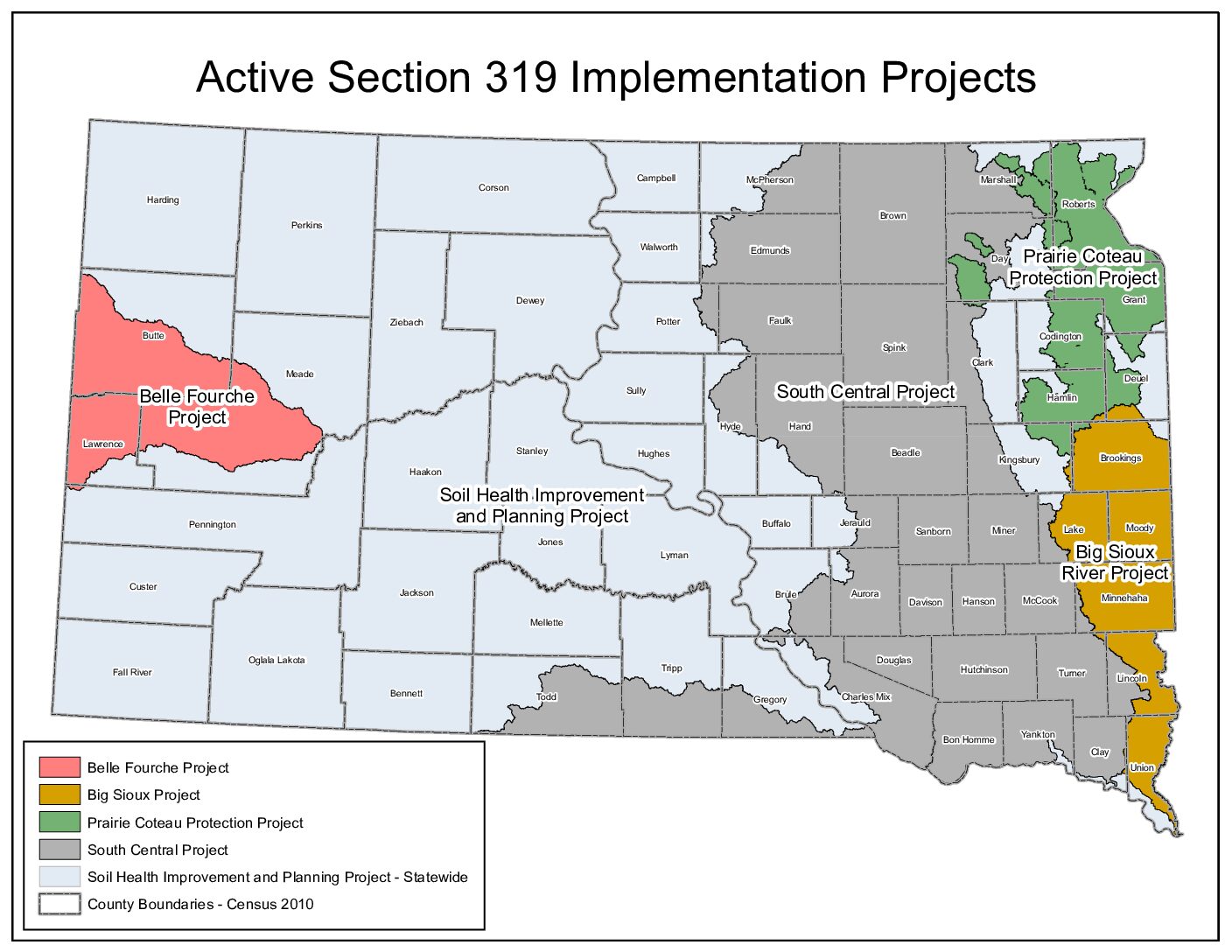
The Section 319 Nonpoint Source Management Program has designated funds in South Dakota to provide technical and financial assistance to landowners and operators within the program’s active watershed project areas or near an impaired water body who are willing to help improve water quality by adopting certain soil health best management practices.
Project Application
The application for financial and technical assistance under the Soil Health Improvement and Planning Project should be filled out and returned to any South Dakota Soil Health Coalition staff member. Staff member contact information is available in the project overview. Once the application is received and evaluated, SDSHC will contact you with next steps.
News & Events

FFA Regional Land Judging Winners Receive Scholarships
SD FFA Foundation Rapid City (October 2026) – The South Dakota FFA Foundation is proud to announce the recipients of five $100 scholarships for students placing first in one of the five South Dakota Regional Land Evaluation Competitions this fall. 2026 scholarship...
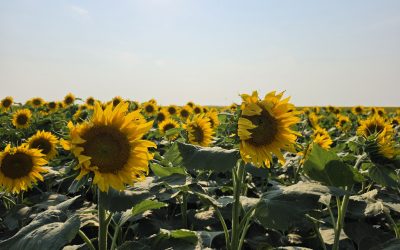
Growing sunflowers for soil health and stability
By Stan Wise For an agricultural operation to thrive, producers must sometimes look at the big picture and make decisions to benefit the long-term success of their farm or ranch. Changes made on a farm now might take years to realize their positive effects, but those...
Test grain for nitrates before using it as forage
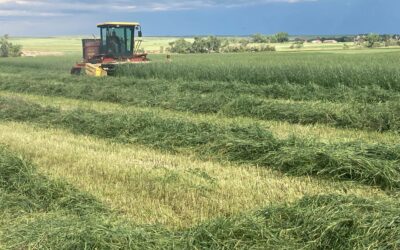
By Stan Wise With the vast majority of South Dakota in a drought and experiencing high temperatures, grain producers are having to make some tough decisions about their crops. Will those grains produce enough yield to make harvesting them a financially viable option,...