
Cover Crops

Cover Crops
Cover crops have become more popular for small scale producers to use in recent years. Some of the key benefits of cover crops include increased fertility and organic matter, improved soil structure, reduced compaction, weed suppression, increased beneficial insects, and disease control. A major consideration when selecting a cover crop species is winter hardiness. Winter hardiness is defined as the ability of a plant to survive cold winter temperatures and grow again in the following year. Cover crops can be easy to plant and low cost but there are some key considerations when selecting the species that will work best for you.
- Do you want a species that is winter hardy? Are you looking for a cover crop to plant in the late summer/fall that will green up before winter and grow again the following spring? They can provide excellent soil coverage and add organic matter to the soil, but they will need to be manually terminated.
- A winter kill species will provide a living root in the soil and increase the organic matter. They are often times the easiest species to establish and manage since cold winter temperatures will terminate the cover crop.
- Consult our cover crop poster to determine other benefits of certain species like compaction reduction, salinity tolerance, and weed suppression.

News & Events
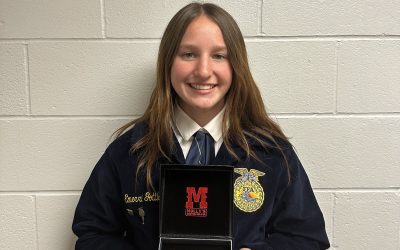
FFA Regional Land Judging Winners Receive Scholarships
SD FFA Foundation Rapid City (October 2026) – The South Dakota FFA Foundation is proud to announce the recipients of five $100 scholarships for students placing first in one of the five South Dakota Regional Land Evaluation Competitions this fall. 2026 scholarship...
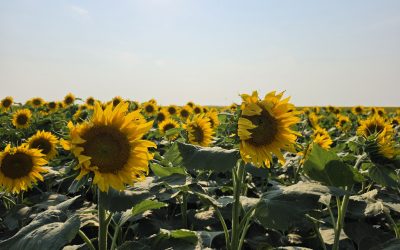
Growing sunflowers for soil health and stability
By Stan Wise For an agricultural operation to thrive, producers must sometimes look at the big picture and make decisions to benefit the long-term success of their farm or ranch. Changes made on a farm now might take years to realize their positive effects, but those...
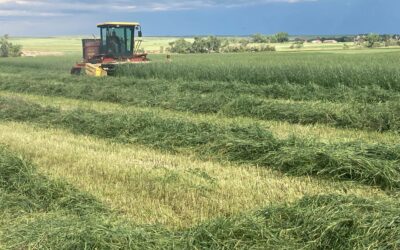
Test grain for nitrates before using it as forage
By Stan Wise With the vast majority of South Dakota in a drought and experiencing high temperatures, grain producers are having to make some tough decisions about their crops. Will those grains produce enough yield to make harvesting them a financially viable option,...