
Diversity and Rotation
Diversity and Rotation
Increased diversity is one of the 5 principles of soil health. With increased plant diversity in the garden comes increases in soil health, decreases in pests and disease and more beneficial pollinators. Below are a few ways to increase diversity in the garden using cover crops and rotation.
- Plant cover crops on a rotational basis every year. Plant cover crops in the fall after summer crops are harvested or rotate a portion of your garden into a season long cover crop for even more soil health benefits.
- Consider planting something new that you have never grown before. There are dozens of vegetables that can be easily grown in your garden and the diversity that they offer can benefit your soil.
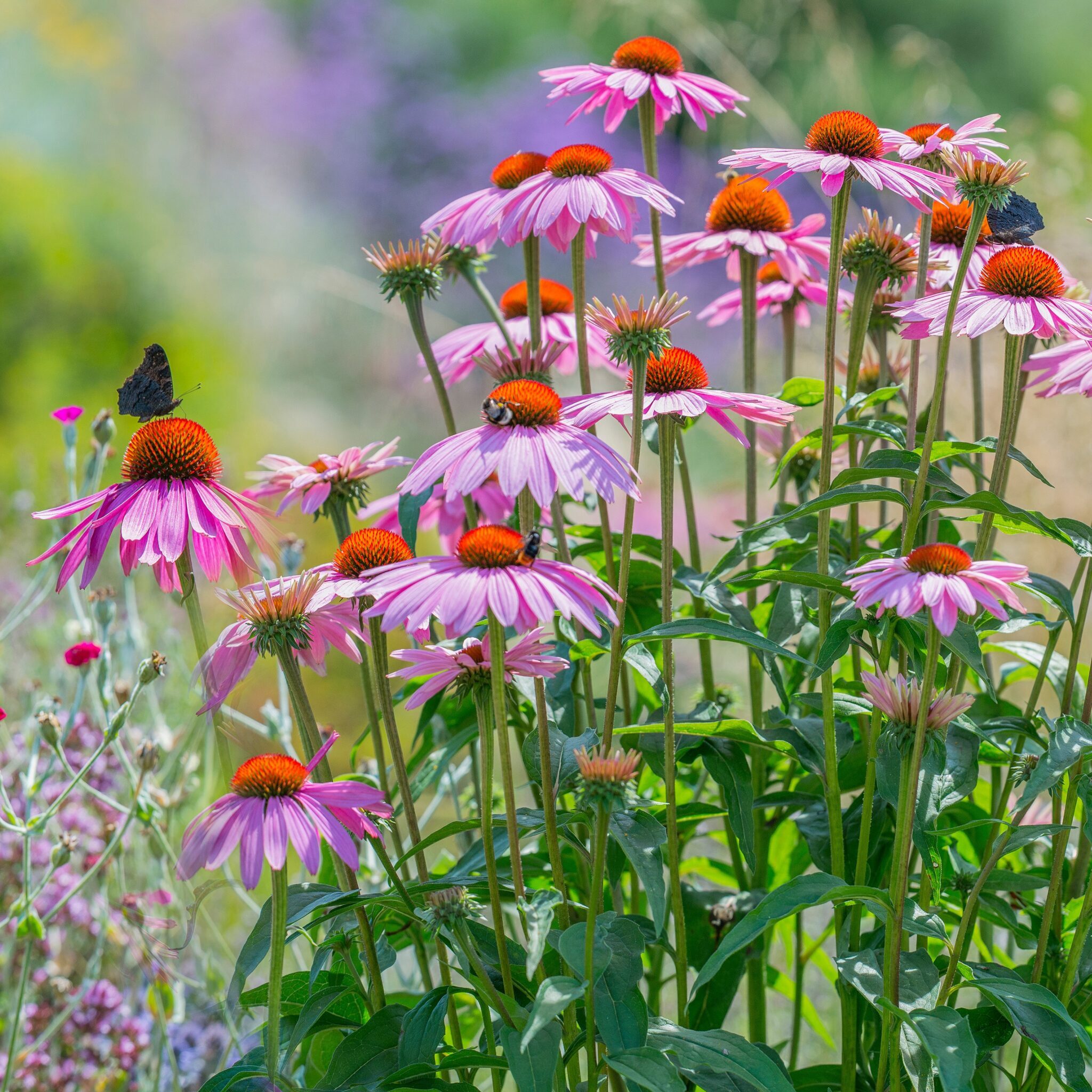
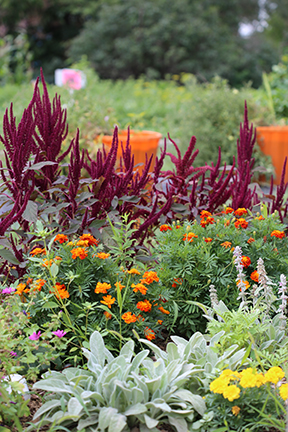
- Plant flowers in the vegetable garden and vegetables in the flower garden. Providing good nectar sources in your garden like zinnias and marigolds you can attract beneficial insects and pollinators.
- Crop rotation is important for overall soil health and disease and pest control. Rotation should be between families of species. For example, tomatoes, peppers and eggplants are all part of the nightshade family and pumpkins and cucumbers are both cucurbits. An example of a good rotation would be tomatoes, followed by green beans, then cucumbers then carrots.
News & Events
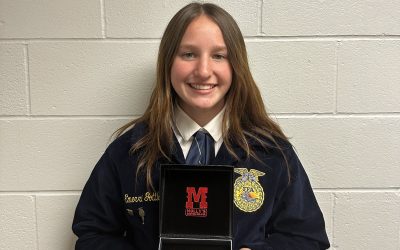
FFA Regional Land Judging Winners Receive Scholarships
SD FFA Foundation Rapid City (October 2026) – The South Dakota FFA Foundation is proud to announce the recipients of five $100 scholarships for students placing first in one of the five South Dakota Regional Land Evaluation Competitions this fall. 2026 scholarship...
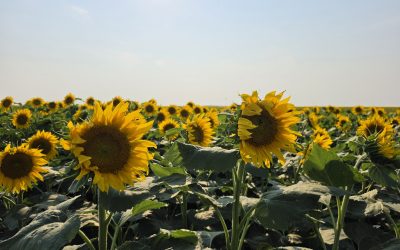
Growing sunflowers for soil health and stability
By Stan Wise For an agricultural operation to thrive, producers must sometimes look at the big picture and make decisions to benefit the long-term success of their farm or ranch. Changes made on a farm now might take years to realize their positive effects, but those...
Test grain for nitrates before using it as forage
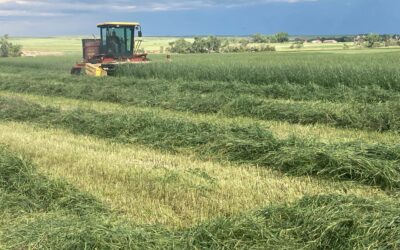
By Stan Wise With the vast majority of South Dakota in a drought and experiencing high temperatures, grain producers are having to make some tough decisions about their crops. Will those grains produce enough yield to make harvesting them a financially viable option,...