
How To convert to a no-till garden
How to Convert to a No-till Garden
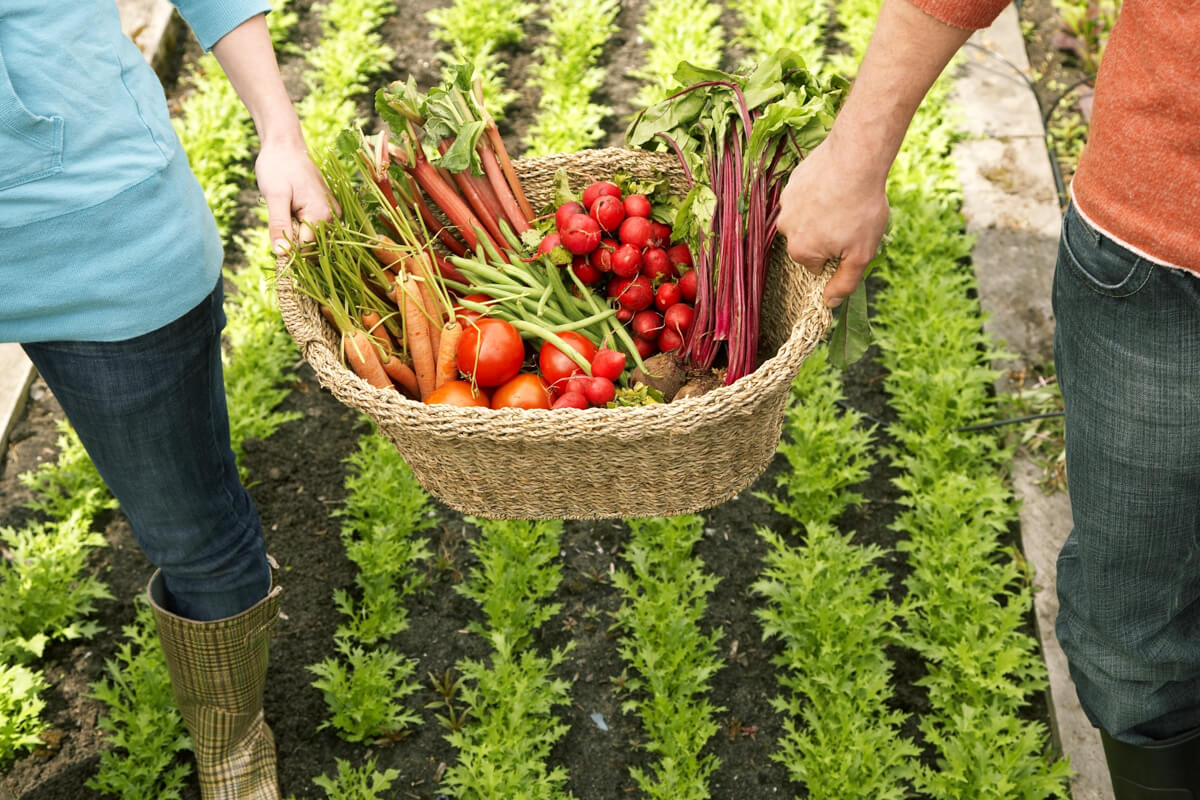
Here are a few tips on how to convert your existing conventional garden area into a no-till or minimal disturbance garden.
- The first and easiest step to take may be fall tillage. Fall tillage is often an unnecessary practice that does more harm than good. Instead of tilling your soil in the fall, the best practice for general soil health would be mowing and/or removing any weeds or other vegetation. Weeds with seeds and any diseased vegetation should be pulled or cut and removed from the area. Other plant materials like weeds without seeds or healthy garden plants can be mowed in the fall. This will bring the plant material in contact with the soil where the microbial life in the soil can begin decomposition and convert it to valuable nutrients.
- Mulch your garden area in the fall to increase organic matter and microbial life in the soil.
- Instead of spring tillage, use occultation, solarization or deep mulch methods to prepare planting beds.
- Cease tillage of pathways and use mulch or mowing instead.
- Practice the 5 principles of soil health- cover the soil, limit disturbance, increase diversity, keep a living root in the soil as long as possible, integrate livestock.
News & Events
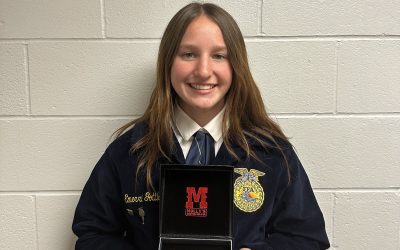
FFA Regional Land Judging Winners Receive Scholarships
SD FFA Foundation Rapid City (October 2026) – The South Dakota FFA Foundation is proud to announce the recipients of five $100 scholarships for students placing first in one of the five South Dakota Regional Land Evaluation Competitions this fall. 2026 scholarship...
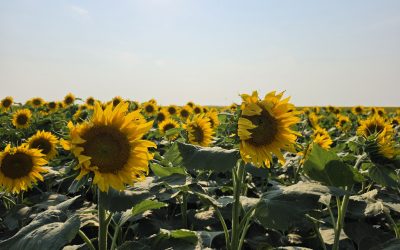
Growing sunflowers for soil health and stability
By Stan Wise For an agricultural operation to thrive, producers must sometimes look at the big picture and make decisions to benefit the long-term success of their farm or ranch. Changes made on a farm now might take years to realize their positive effects, but those...
Test grain for nitrates before using it as forage
By Stan Wise With the vast majority of South Dakota in a drought and experiencing high temperatures, grain producers are having to make some tough decisions about their crops. Will those grains produce enough yield to make harvesting them a financially viable option,...