
Integrating Livestock
Integrating Livestock
Integrating livestock into the garden adds valuable nutrients and soil biology. Using animal manure in the garden can be one way to incorporate livestock. Manure can be applied in the fall after harvest or in the spring as a composted manure soil amendment. An annual application of 1” or less of composted manure is usually adequate. Deeper amounts can be applied depending on your current soil conditions but a soil test is recommended.
For food safety reasons, do not apply fresh manure or partially composted manure that may still contain undecomposed material less than 120 days before harvest of any crop that comes in contact with the soil and 90 days for crops that do not come in contact with the soil.
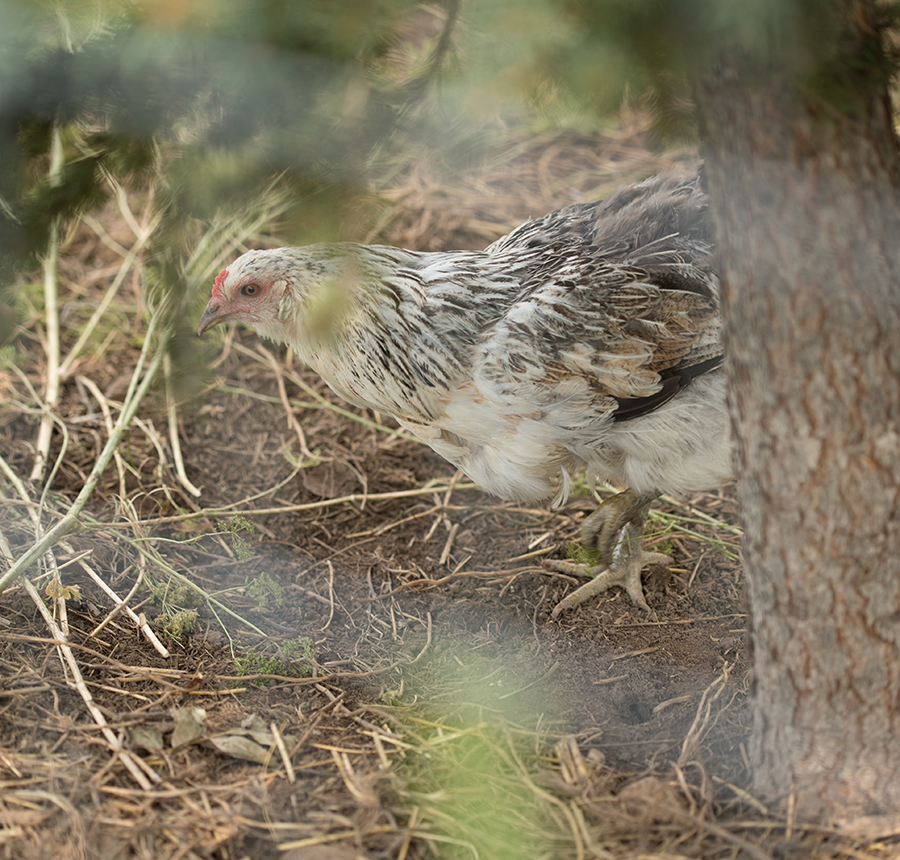
Another way to incorporate livestock into the garden is the use of poultry or small animals like rabbits, pigs, goats, sheep, etc. Small animals can be used to control pests, reduce weed seeds, and add nutrient rich manure to the soil. Poultry and rabbits can be housed in a small, caged area near the garden to help with pest and weed control. Slightly larger livestock like pigs, goats and sheep can be used in the fall to clean up garden waste while incorporating compost into the soil and adding beneficial nutrients contained in the manure that they deposit.
News & Events
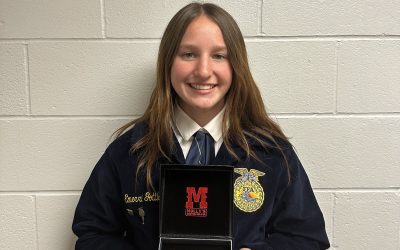
FFA Regional Land Judging Winners Receive Scholarships
SD FFA Foundation Rapid City (October 2026) – The South Dakota FFA Foundation is proud to announce the recipients of five $100 scholarships for students placing first in one of the five South Dakota Regional Land Evaluation Competitions this fall. 2026 scholarship...
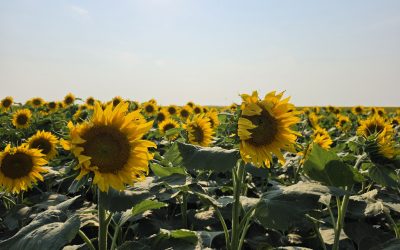
Growing sunflowers for soil health and stability
By Stan Wise For an agricultural operation to thrive, producers must sometimes look at the big picture and make decisions to benefit the long-term success of their farm or ranch. Changes made on a farm now might take years to realize their positive effects, but those...
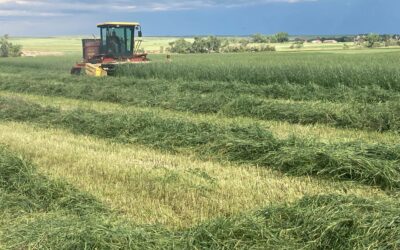
Test grain for nitrates before using it as forage
By Stan Wise With the vast majority of South Dakota in a drought and experiencing high temperatures, grain producers are having to make some tough decisions about their crops. Will those grains produce enough yield to make harvesting them a financially viable option,...