
Irrigation
Irrigation
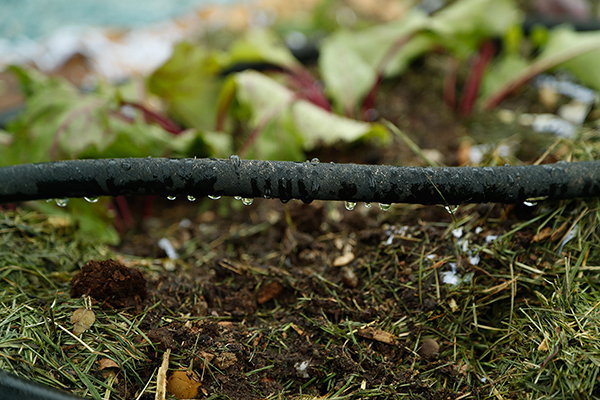
Irrigation plays a vital role in supporting plant growth and overall health, while also influencing soil quality and the spread of diseases. Efficient irrigation methods include drip tapes, drip lines, soaker hoses, drip emitters, sprinklers, and micro-sprinklers, each with distinct advantages and applications. Drip irrigation is particularly effective because it delivers water directly to the root zone, reducing evaporation and minimizing leaf wetness that can lead to disease. Sprinklers and micro-sprinklers are useful for covering larger areas, though they should be used carefully if soil-borne diseases are a concern. Drip tape is a cost-effective option, typically used for a single season, as it provides water at fixed intervals but is not durable enough for long-term use. Drip lines function similarly but are made of thicker tubing designed to last for several years. Soaker hoses release water along their entire length, though their effectiveness is limited to shorter runs of about 150 feet or less due to pressure requirements. Micro-sprinklers and drip emitters can be paired with drip lines to target specific areas, using low volumes of water. Micro-sprinklers are available in spray patterns ranging from 180 to 360 degrees, while drip emitters can be placed at the base of individual plants to deliver a set amount of water per hour.
Collecting rainwater is an effective way to conserve resources while providing clean, natural water for garden beds. It can be harvested from rooftops and gutters on nearly any building and stored in large containers until needed. Unlike most municipal or well water, rainwater typically contains trace nutrients and has a lower pH, making it especially beneficial for plants and soil health. It is wise to have a backup irrigation system in place to ensure a reliable water supply during periods of limited rainfall.
News & Events
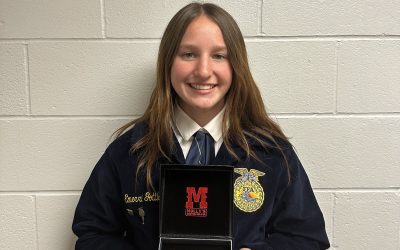
FFA Regional Land Judging Winners Receive Scholarships
SD FFA Foundation Rapid City (October 2026) – The South Dakota FFA Foundation is proud to announce the recipients of five $100 scholarships for students placing first in one of the five South Dakota Regional Land Evaluation Competitions this fall. 2026 scholarship...
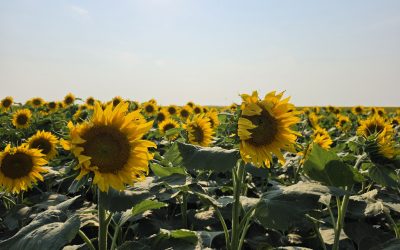
Growing sunflowers for soil health and stability
By Stan Wise For an agricultural operation to thrive, producers must sometimes look at the big picture and make decisions to benefit the long-term success of their farm or ranch. Changes made on a farm now might take years to realize their positive effects, but those...
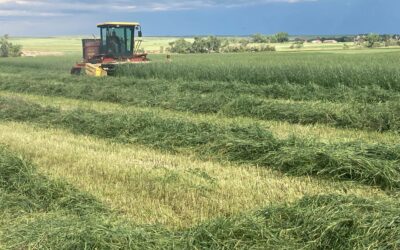
Test grain for nitrates before using it as forage
By Stan Wise With the vast majority of South Dakota in a drought and experiencing high temperatures, grain producers are having to make some tough decisions about their crops. Will those grains produce enough yield to make harvesting them a financially viable option,...