
Planting with minimal disturbance
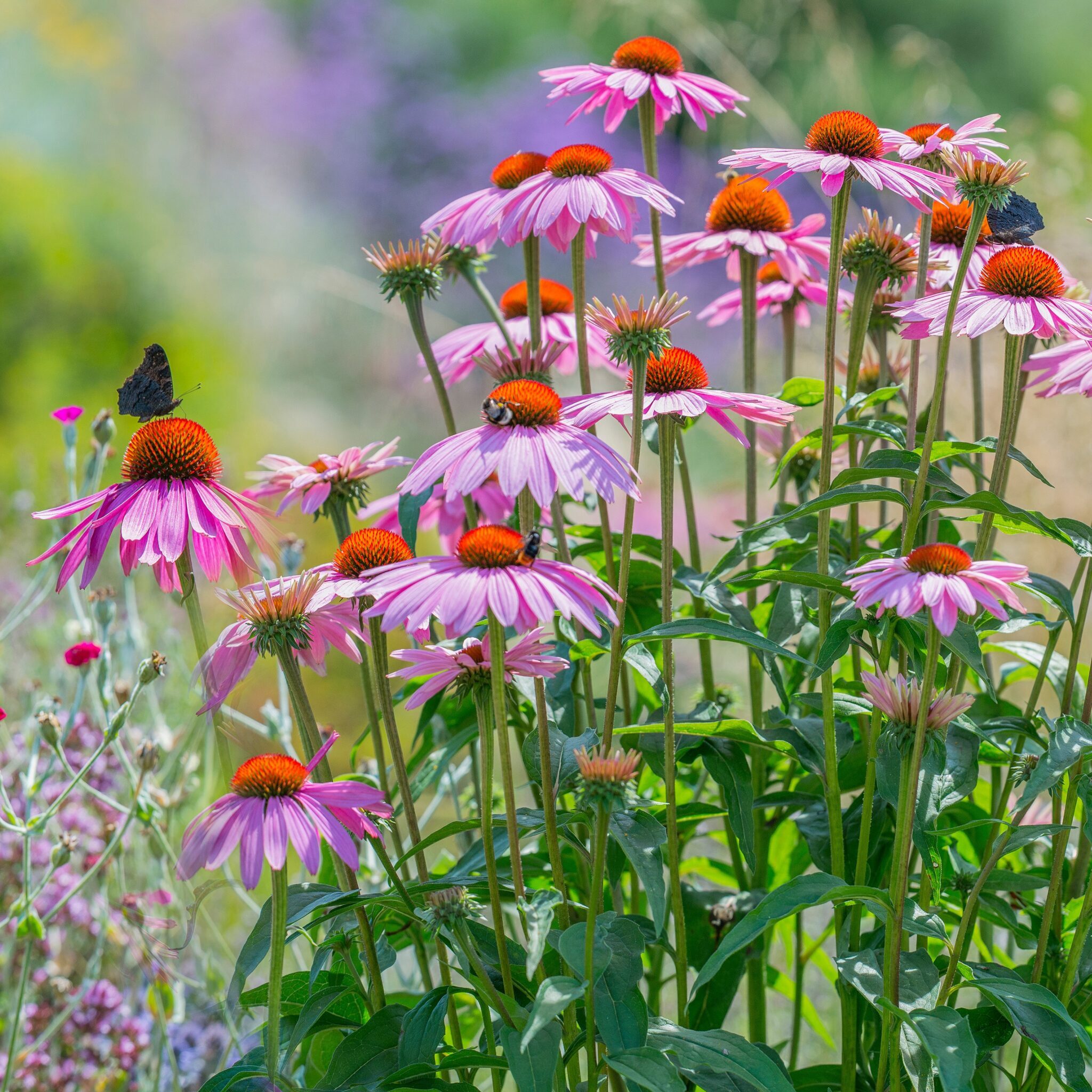
Planting With Minimal Disturbance
When practicing no-till gardening, planting can be a challenge for those people that have been conventionally gardening their whole life. Figuring out the best way to plant your seeds or transplants without tilling the entire garden takes some trial and error. Each garden situation is different so your personal context should be considered when choosing how to plant. Some things that can determine the best option for your garden are available tools and time, soil type, climate, season, and available resources. Below are a few options to consider.
- Rake back mulch from growing bed and create a shallow furrow to plant small seeds. After seeds have germinated and plants are several inches tall reapply a layer of mulch.
- For larger seeds, use a sharp stick or screwdriver to poke a hole in the soil for each seed and pack the area with your hand
- Holes for transplants can be dug with a garden trowel or bulb auger and a cordless drill. Mulch can be applied after planting
- After any planting a thin layer of compost or other fertilizer can be applied
- The key to no-till gardening is to keep the soil covered with a thick layer of mulch

News & Events
FFA Regional Land Judging Winners Receive Scholarships
SD FFA Foundation Rapid City (October 2026) – The South Dakota FFA Foundation is proud to announce the recipients of five $100 scholarships for students placing first in one of the five South Dakota Regional Land Evaluation Competitions this fall. 2026 scholarship...
Growing sunflowers for soil health and stability
By Stan Wise For an agricultural operation to thrive, producers must sometimes look at the big picture and make decisions to benefit the long-term success of their farm or ranch. Changes made on a farm now might take years to realize their positive effects, but those...
Test grain for nitrates before using it as forage
By Stan Wise With the vast majority of South Dakota in a drought and experiencing high temperatures, grain producers are having to make some tough decisions about their crops. Will those grains produce enough yield to make harvesting them a financially viable option,...