
Weed control
Weed Control
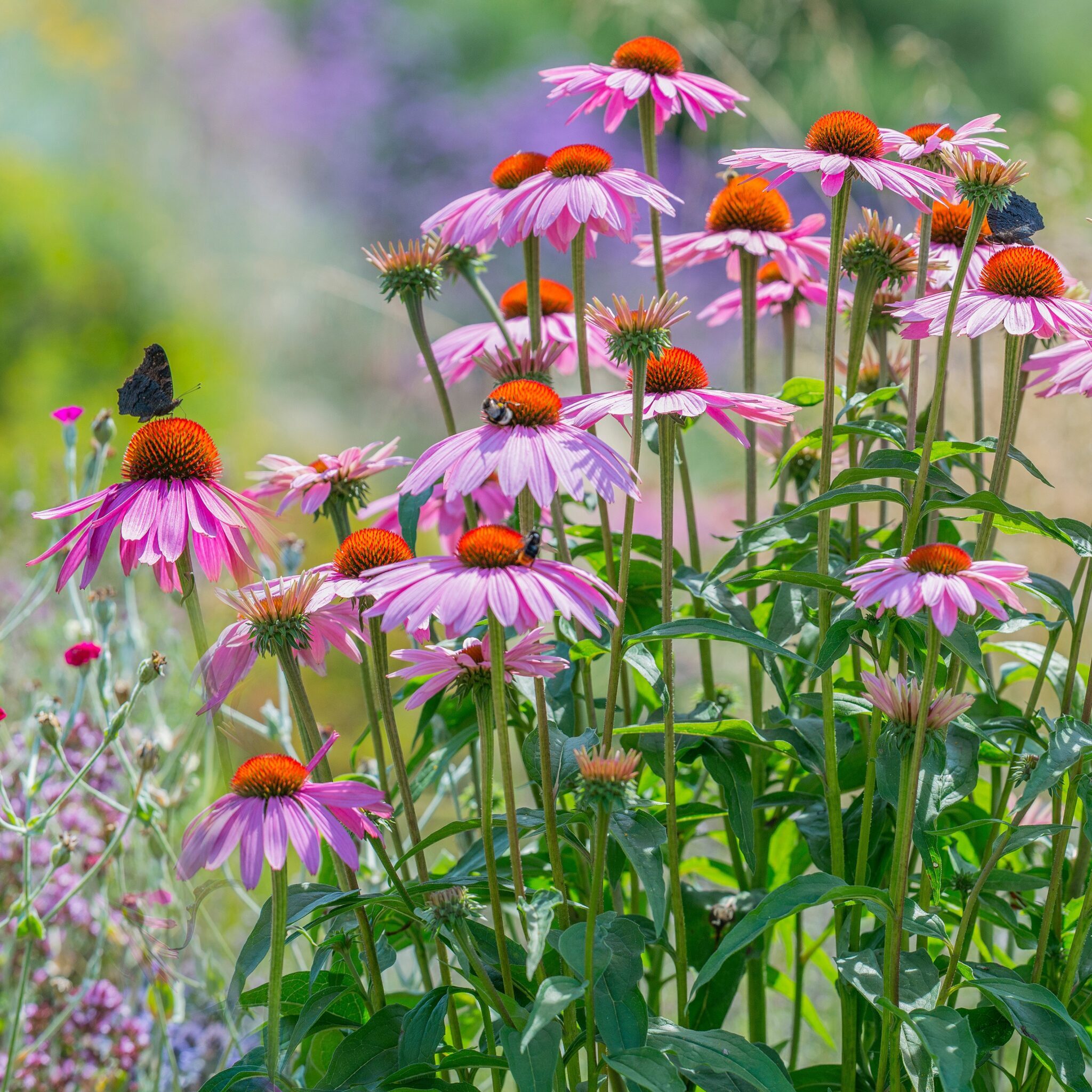
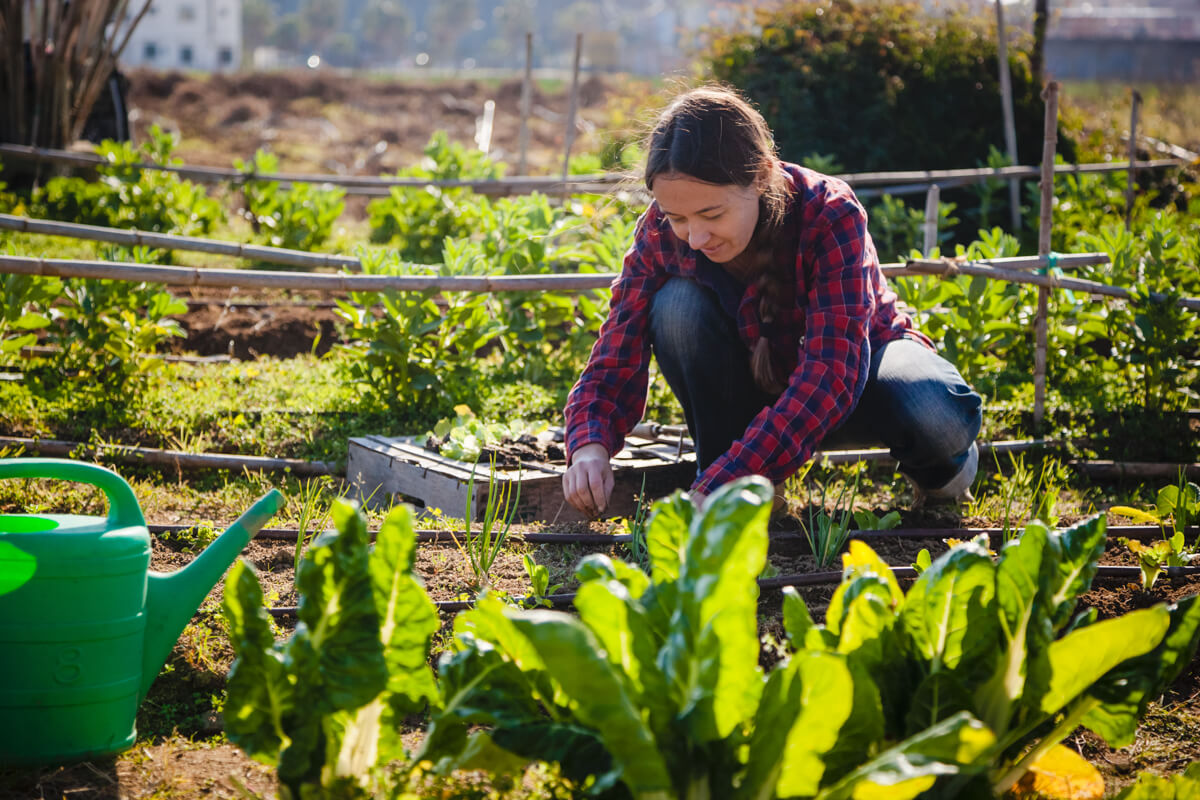
Weed control can be the biggest obstacle for someone trying no-till gardening for the first time. Many times our first instinct when we see weeds in the garden is to pick up the hoe or get out the tiller. While shallow cultivation or hand pulling might be necessary when you first start a no-till garden, preventing weeds from growing should be your ultimate goal. The primary way to limit presence of weeds is to limit their ability to germinate and grow from the seeds that are already in the soil. Here are some techniques that you can use to help with weed control while also minimizing disturbance.
- Keep the soil covered with a thick layer of mulch. Many weed seeds are unable to germinate if they are not exposed to sunlight.
- Limit any disturbance of the soil. Any time the soil is disturbed weed seeds in the soil can be exposed to the correct conditions for germination. In other words, if you stir the soil up you might just be planting weed seeds.
- Consistent pulling or clipping of any weeds that emerge. Do your best to keep any weeds from going to seed. As your soil becomes healthier the weeds will be easier to pull and there will be fewer of them.
- Consider planting species that can tolerate some competition closer together to shade the soil and limit any weeds that may try to emerge. This can be a bit of trial and error as some species like brussels sprout, onion and some root crops need space and will not grow well if crowded.
- After a crop is harvested and finished for the season use a technique like occultation to kill any weeds that may try to emerge.
News & Events
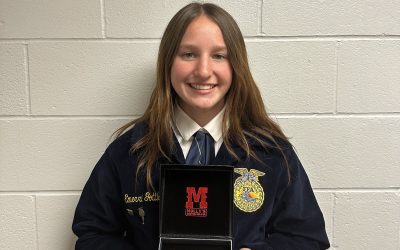
FFA Regional Land Judging Winners Receive Scholarships
SD FFA Foundation Rapid City (October 2026) – The South Dakota FFA Foundation is proud to announce the recipients of five $100 scholarships for students placing first in one of the five South Dakota Regional Land Evaluation Competitions this fall. 2026 scholarship...
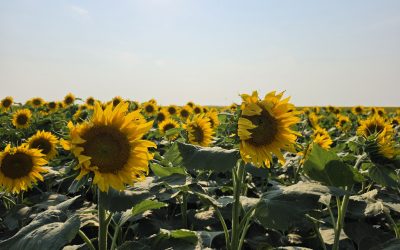
Growing sunflowers for soil health and stability
By Stan Wise For an agricultural operation to thrive, producers must sometimes look at the big picture and make decisions to benefit the long-term success of their farm or ranch. Changes made on a farm now might take years to realize their positive effects, but those...
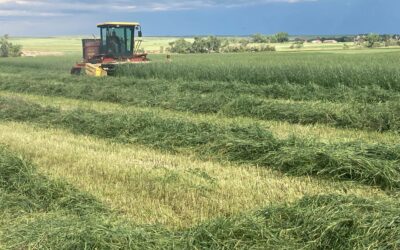
Test grain for nitrates before using it as forage
By Stan Wise With the vast majority of South Dakota in a drought and experiencing high temperatures, grain producers are having to make some tough decisions about their crops. Will those grains produce enough yield to make harvesting them a financially viable option,...