
Virtual Fencing Information
Overview of Virtual Fencing
Virtual fence (VF) is a precision livestock management tool that creates an enclosure, barrier, or boundary without a physical fence. VF allows real-time automation of grazing management from a smartphone or computer. Livestock are fit with a collar that generates audio warnings and electrical stimuli.
GPS in the collar continuously tracks animal position and checks this against the virtual boundaries set by the producer. As an animal approaches the boundary, a series of audio warnings are delivered. If the animal does not turn away, the collar delivers an electrical pulse.
VF aids in the adoption of regenerative grazing. This technology can be applied in many different management scenarios:
- Rotational grazing
- Bale grazing
- Cover crop grazing on row crop acres
- CRP grazing
- Grassed waterways and ditches
- Weed control
- Woodlands, silvopasture
- Public land grazing
- River corridors and floodplains
- Reduce fuel loads for wildfire mitigation
- Post-fire grazing
- Solar grazing
Reference: Goliński P, Sobolewska P, Stefańska B, Golińska B. Virtual Fencing Technology for Cattle Management in the Pasture Feeding System—A Review. Agriculture. 2023; 13(1):91. https://doi.org/10.3390/agriculture13010091
Resources
An interactive tool that helps producers estimate the return on adopting virtual fencing collars — also embedded on the program webpage.
This tool allows users to compare the cost of every virtual fence supplier in the U.S. as well as the cost of physical fence.
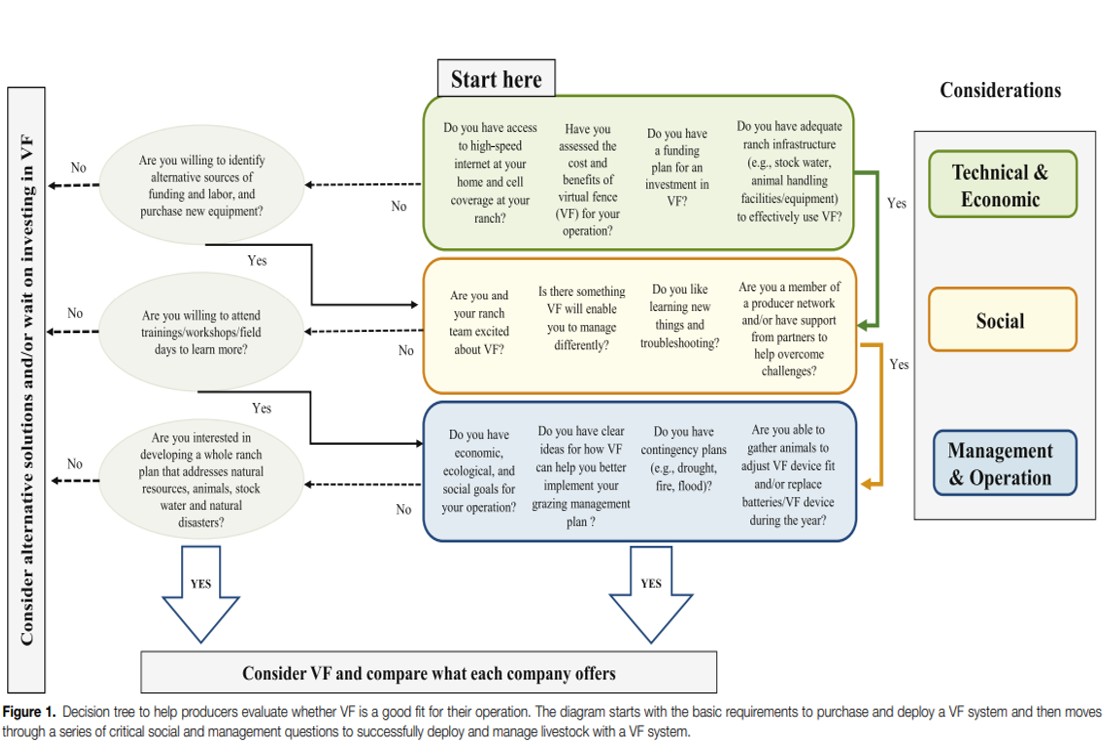
Use this graphic to help you decide if virtual fencing is a good option for you.
This selection of research articles is designed to offer information on the benefits and efficacy of using virtual fence collars.
This online tool/app can be used to calcuate the available forage in a cover crop and the amount of space needed for your livestock to graze.
This worksheet can be used to calculate the available forage in a pasture and the amount of space needed for your livestock to graze.
News & Events
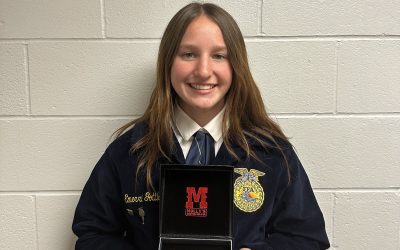
FFA Regional Land Judging Winners Receive Scholarships
SD FFA Foundation Rapid City (October 2026) – The South Dakota FFA Foundation is proud to announce the recipients of five $100 scholarships for students placing first in one of the five South Dakota Regional Land Evaluation Competitions this fall. 2026 scholarship...
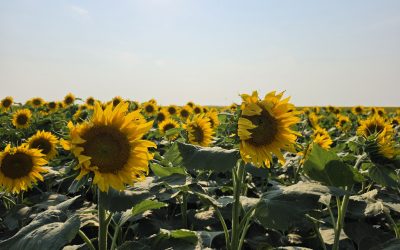
Growing sunflowers for soil health and stability
By Stan Wise For an agricultural operation to thrive, producers must sometimes look at the big picture and make decisions to benefit the long-term success of their farm or ranch. Changes made on a farm now might take years to realize their positive effects, but those...
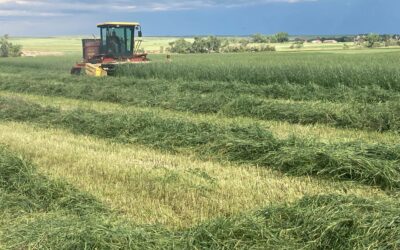
Test grain for nitrates before using it as forage
By Stan Wise With the vast majority of South Dakota in a drought and experiencing high temperatures, grain producers are having to make some tough decisions about their crops. Will those grains produce enough yield to make harvesting them a financially viable option,...