
Physical Properties – OLD
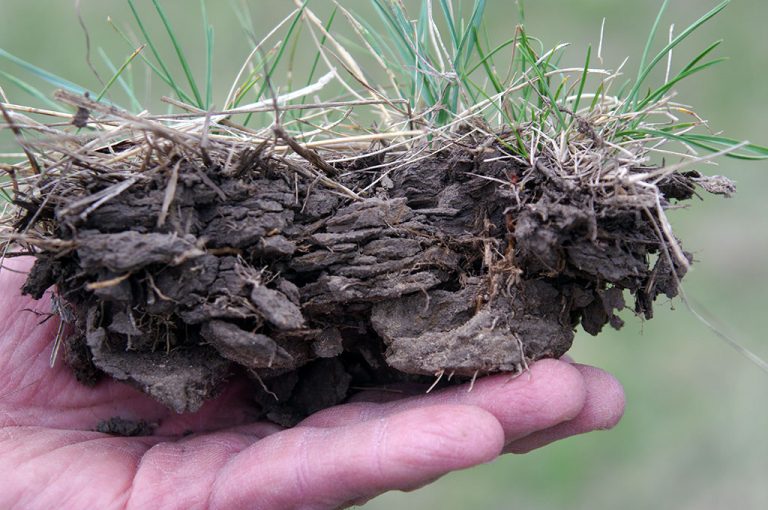
Soil Structure
Sand, silt and clay particles are the primary mineral building blocks of soil. Soil structure is the combination or arrangement of primary soil particles into aggregates. Using aggregate size, shape and distinctness as the basis for classes, types and grades, respectively, soil structure describes the manner in which soil particles are aggregated.
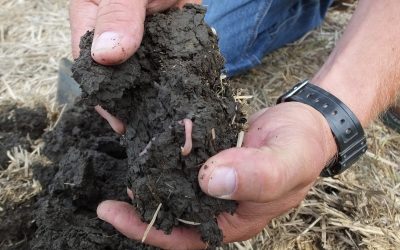
Aggregate Stability
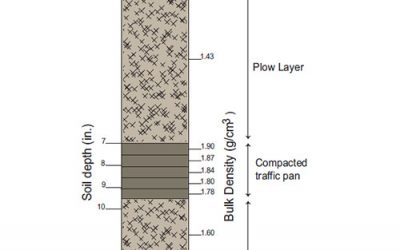
Bulk Density
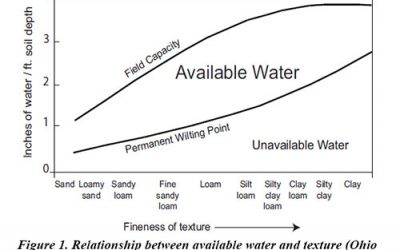
Water Capacity
Infiltration
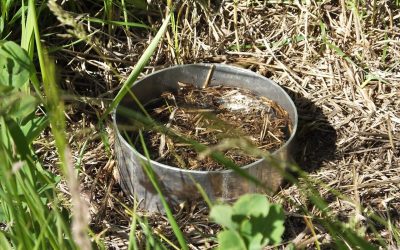
Infiltration is the downward entry of water into the soil. The velocity at which water enters the soil is infiltration rate. Infiltration rate is typically expressed in inches per hour. Water from rainfall or irrigation must first enter the soil for it to be of value.
Slaking

Soil Health School
The 2026 Soil Health School is set for September 15-17 near Twin Brooks and Marvin, SD.
Small Scale Ag
Soil Health School
The 2026 Small Scale Ag Soil Health School is set for Aug. 28 in Huron, SD.
News & Events
Test grain for nitrates before using it as forage
By Stan Wise With the vast majority of South Dakota in a drought and experiencing high temperatures, grain producers are having to make some tough decisions about their crops. Will those grains produce enough yield to make harvesting them a financially viable option,...

Darling Creek Ranch Named 2026 SD Leopold Award Winner
Sand County Foundation Dan and Sharon Anderson’s Darling Creek Ranch has been selected as the 2026 South Dakota Leopold Conservation Award® recipient. The $10,000 award honors ranchers, farmers, and forestland owners who go above and beyond in their management of soil...

Building operational resilience with soil health
By Stan Wise South Dakota Soil Health Coalition PIERRE, SD – Resilience. It’s one of the prizes that keeps conservation-minded land managers striving for improved soil health. Operational resilience in the face of floods, market fluctuations, rising input costs,...