
The Five Principles of Soil Health
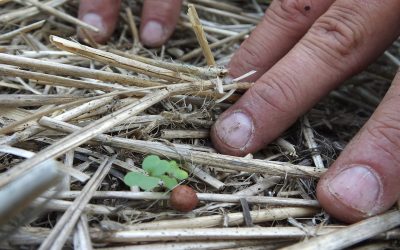
Soil Cover
Keep plant residues on the soil surface. Look down, what percentage of your soil is protected by residue? Erosion needs to be minimized before you can start building soil health.
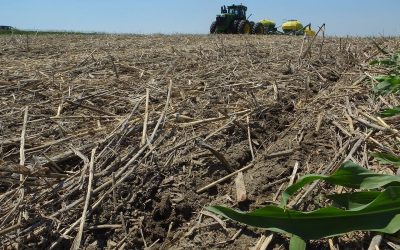
Limited Disturbance
Minimize physical, chemical, and biological disturbance as much as possible. You will start building soil aggregates, pore spaces, soil biology, and organic matter.
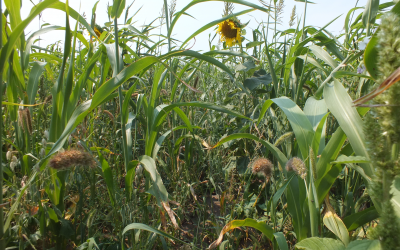
Diversity
Try to mimic nature. Use cool and warm season grasses and broad leaf plants as much as possible, with three or more crops and cover crops in rotation. Grassland and cropland plant diversity increases soil and animal health.
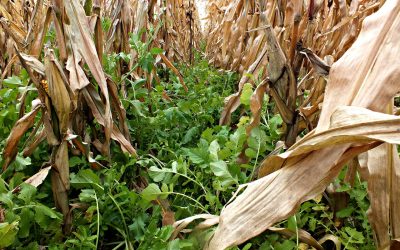
Living Roots
Keep plants growing throughout the year to feed the soil. Cover crops can add carbon to the soil, providing a great food source for micro-organisms. Try to add a perennial to your system. Start small to find the best fit for your operation.
South Dakota Healthy Soils Handbook
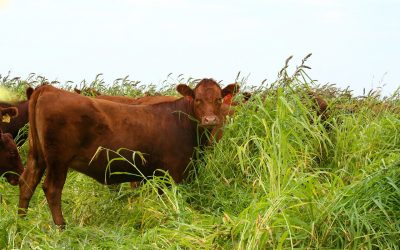
Fall/winter grazing of cover crops and crop residue increases livestock’s plane of nutrition at a time when pasture forage quality can be low, increases the soil biological activity on cropland, and improves nutrient cycling. Proper grassland management improves soil health.
News & Events
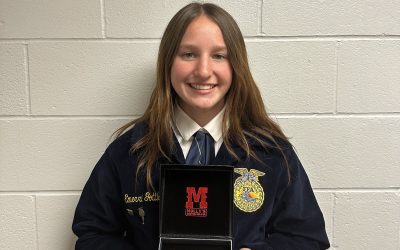
FFA Regional Land Judging Winners Receive Scholarships
SD FFA Foundation Rapid City (October 2026) – The South Dakota FFA Foundation is proud to announce the recipients of five $100 scholarships for students placing first in one of the five South Dakota Regional Land Evaluation Competitions this fall. 2026 scholarship...
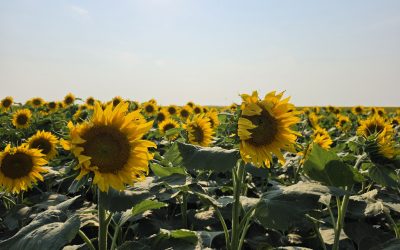
Growing sunflowers for soil health and stability
By Stan Wise For an agricultural operation to thrive, producers must sometimes look at the big picture and make decisions to benefit the long-term success of their farm or ranch. Changes made on a farm now might take years to realize their positive effects, but those...
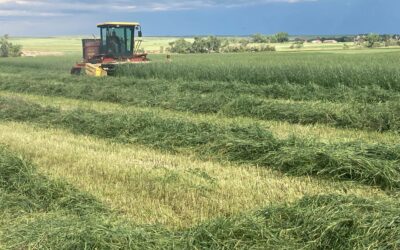
Test grain for nitrates before using it as forage
By Stan Wise With the vast majority of South Dakota in a drought and experiencing high temperatures, grain producers are having to make some tough decisions about their crops. Will those grains produce enough yield to make harvesting them a financially viable option,...