
Small Scale/Urban Agriculture
Informational Resources
South Dakota Healthy Soils Handbook
Soil Health Concerns
Five Principles of Soil Health
Focus Areas
Soil Health and Successful Growing in Urban and Small Scale Farming Systems
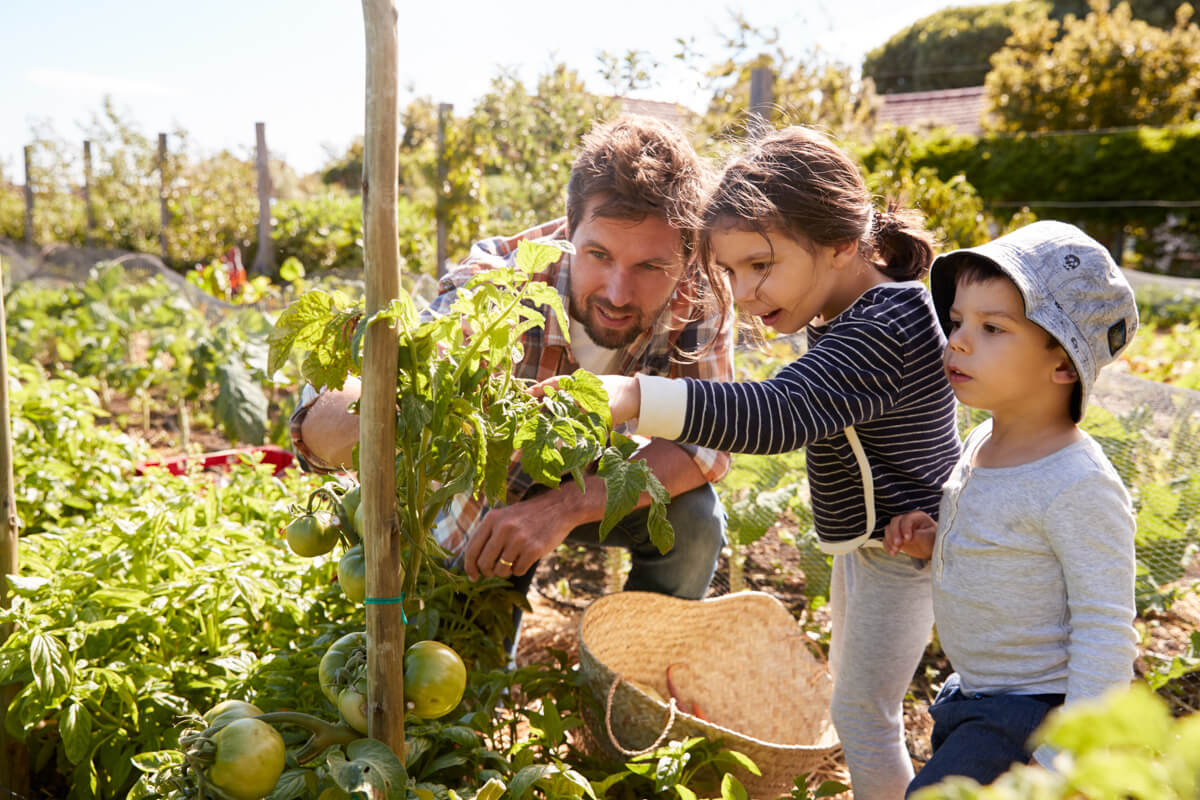
How to start a no-till garden
If you are starting a new garden, let us help you focus on your soil health.
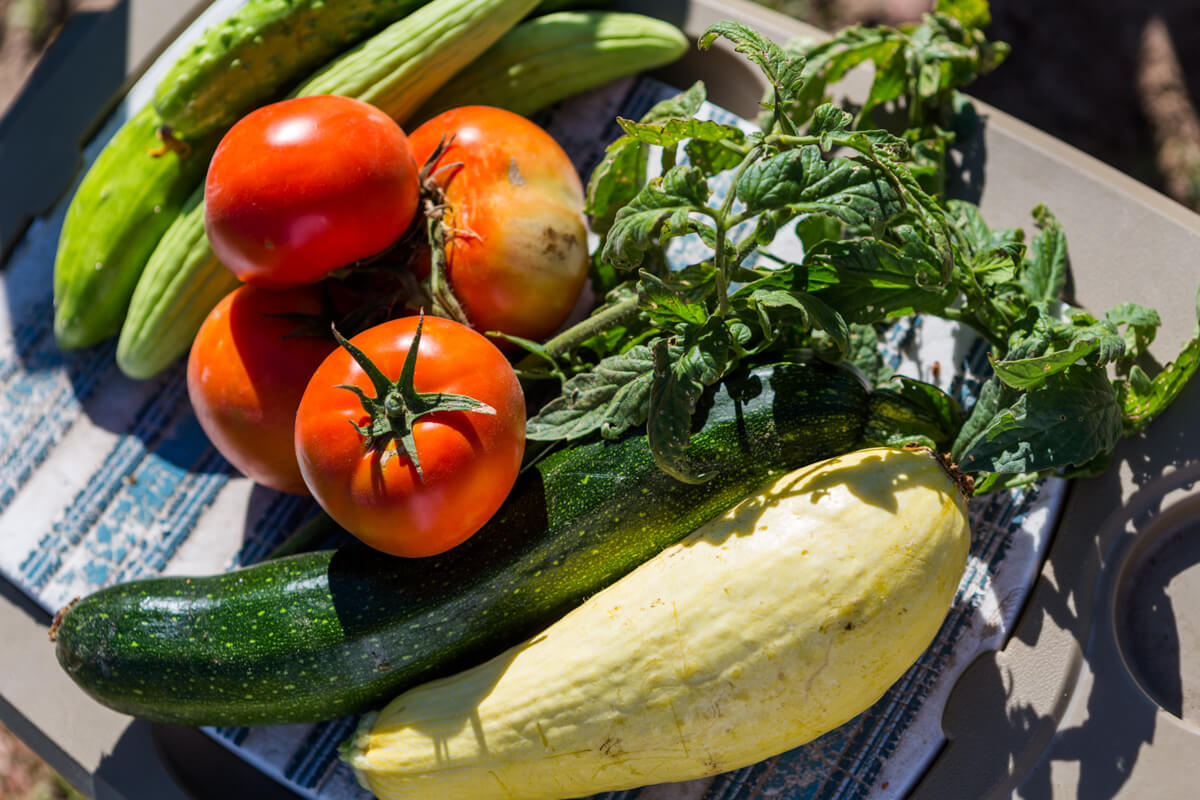
How to convert to no-till gardening
Garden and improve your soil health at the same time!
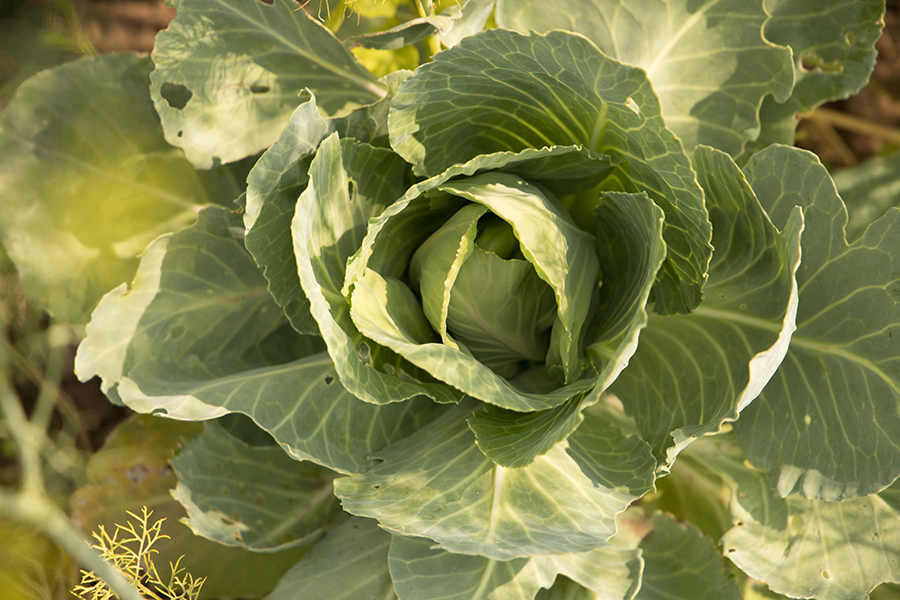
Planting with minimal disturbance
How to plant your next garden and protect the soil with these tips.
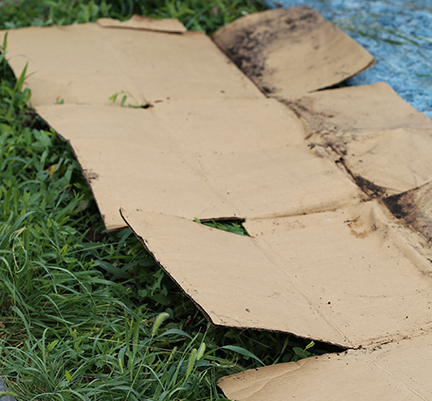
Weed Control
A few ideas on no-till options for weed control.
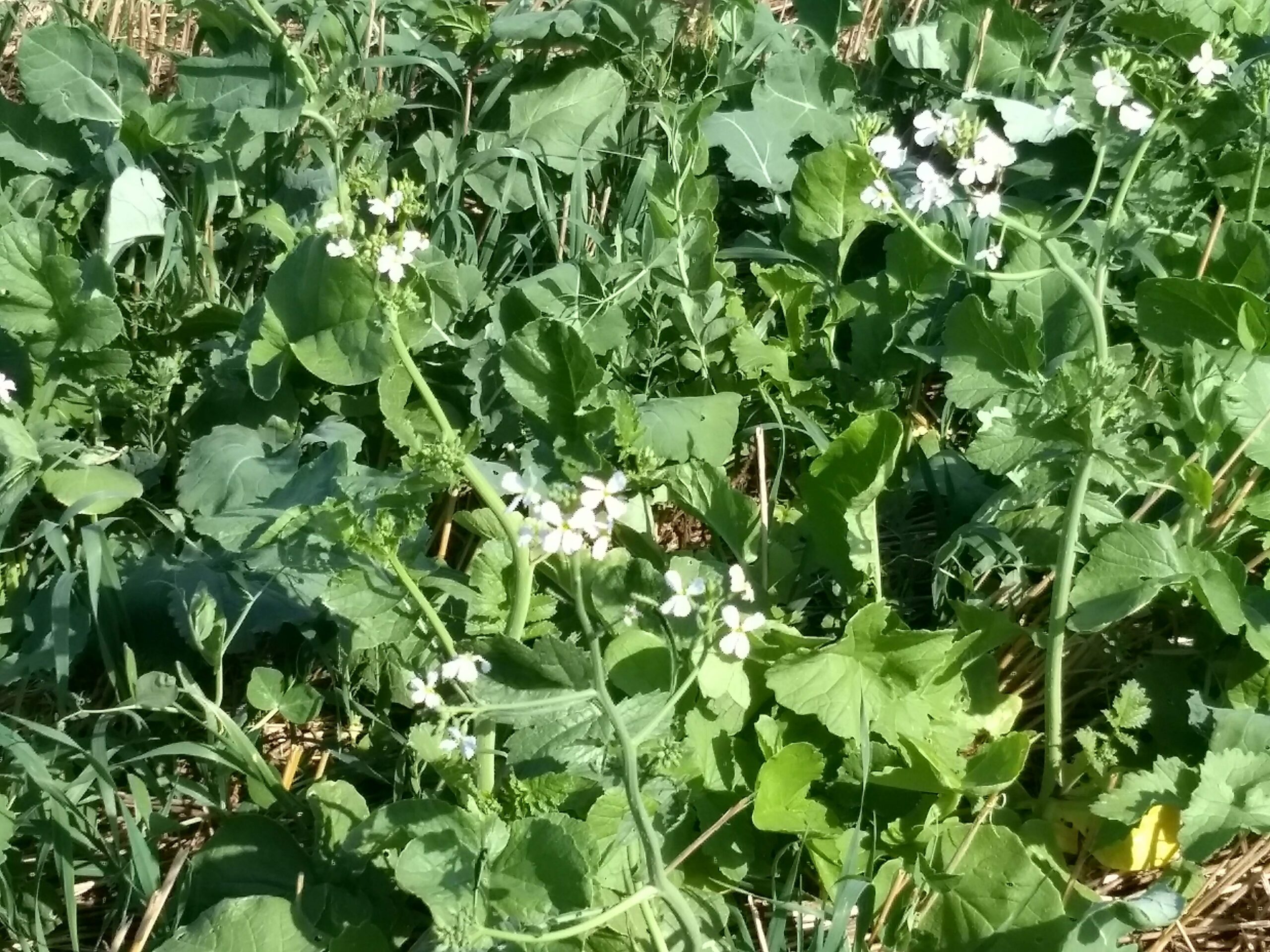
Cover Crops
Cover crop options for small scale growers.
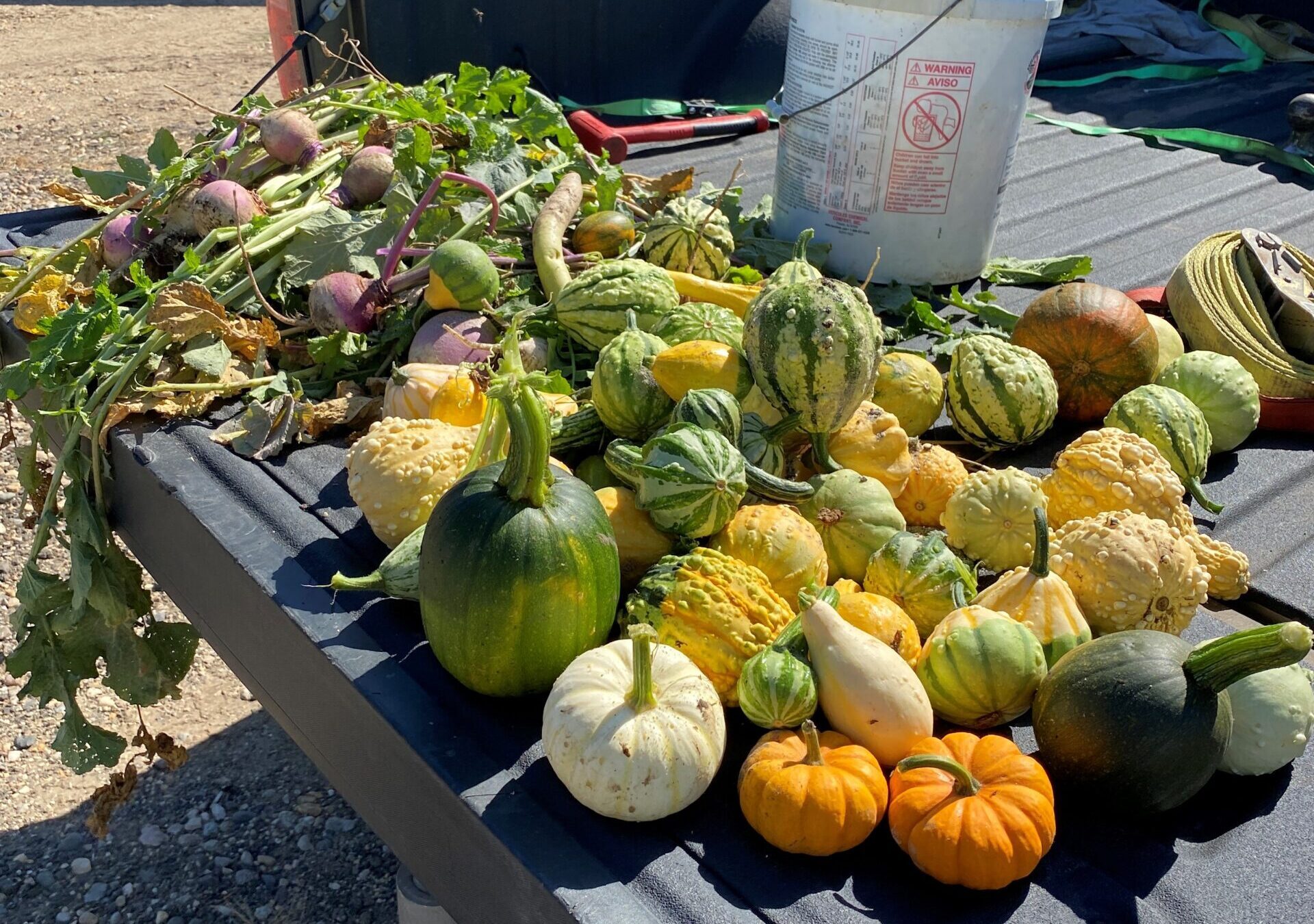
Diversity and Rotation
How to include diversity and crop rotation for better soil health.
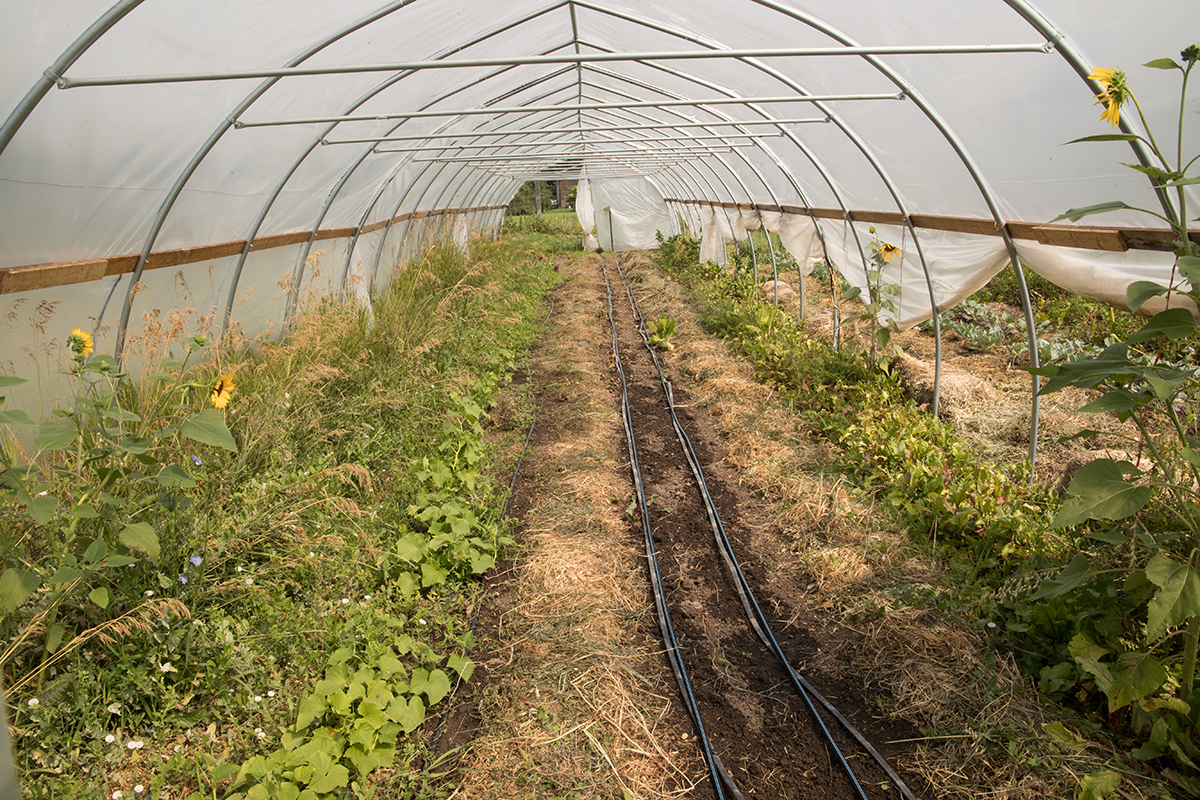
Pathway Management
Options for no-till pathway weed control and maintenance.
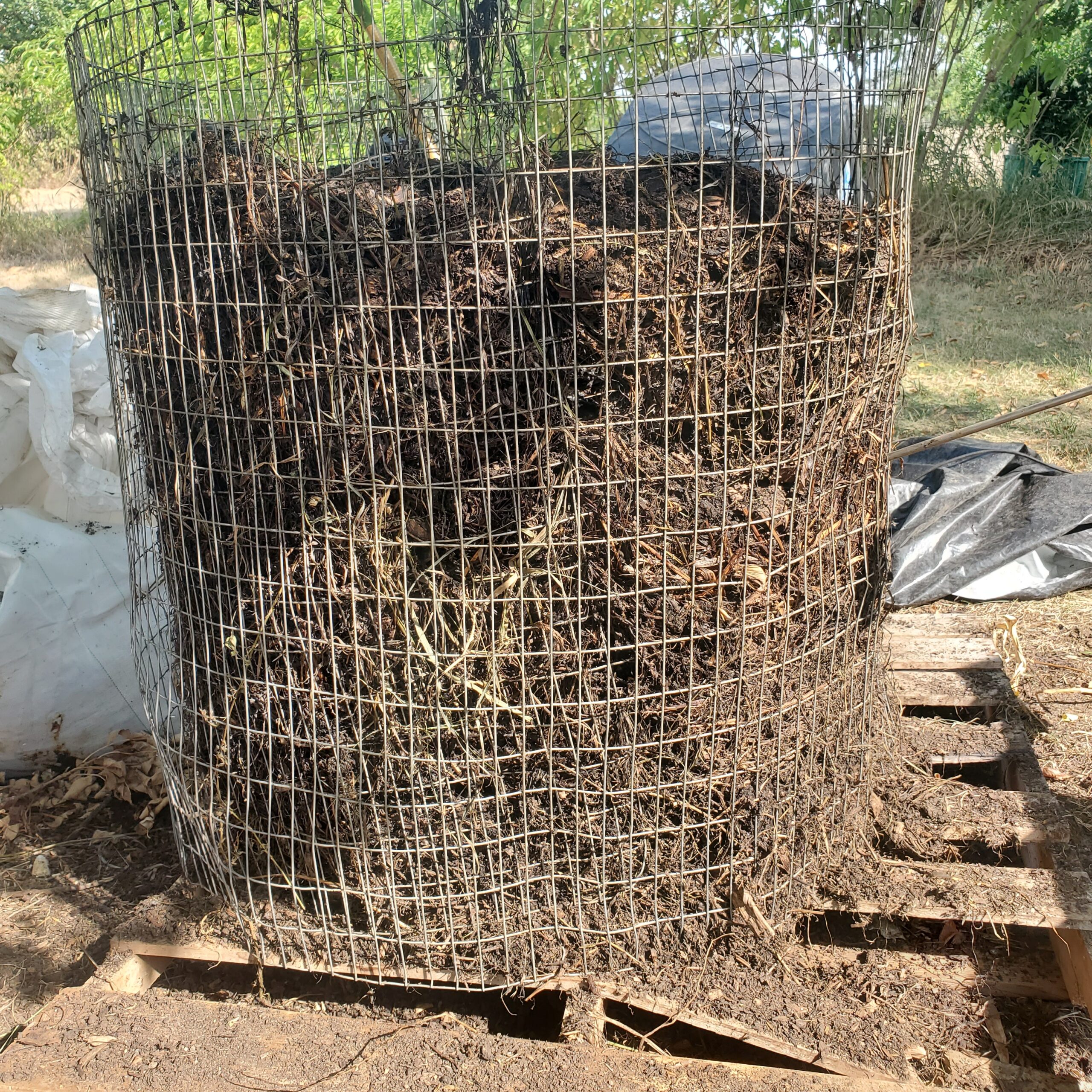
Compost
How to create and use compost.
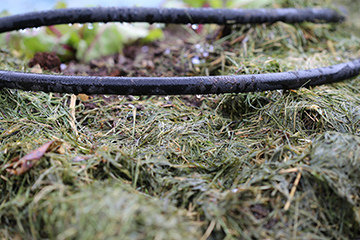
Irrigation
Water saving options for small scale agriculture.

Integrating Livestock
Safe ways to integrate livestock into the home garden or small scale farm.
Resources
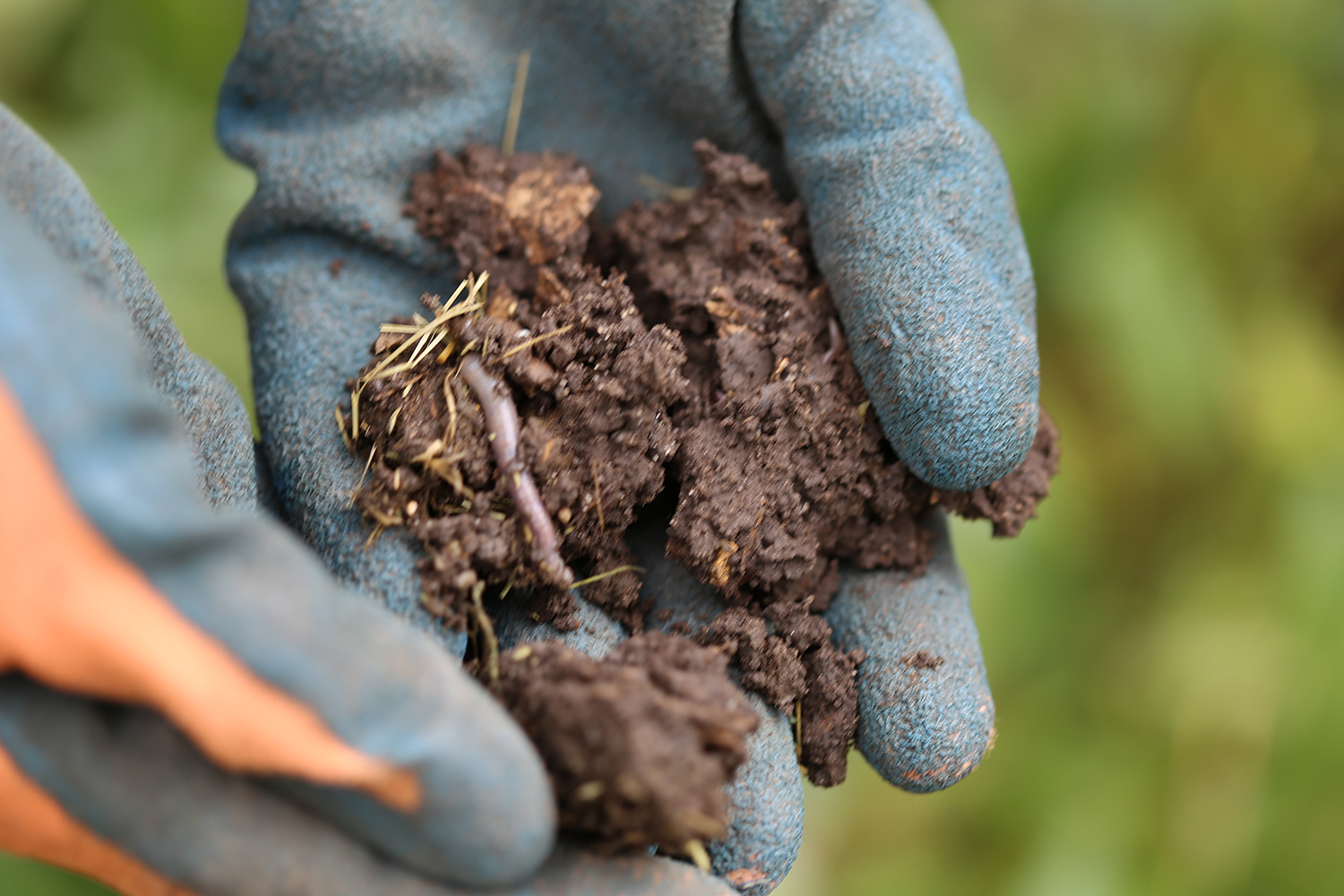
The Living Soil Handbook for Small Scale Farmers
This comprehensive guide explores how to create healthy soils in your garden or small-scale farm. Inside, you’ll discover the fundamentals of soil biology, nutrient cycling, and learn how to implement the essential 5 Principles of Soil Health. The book offers practical steps for starting a no-till garden, incorporating cover crops and compost, weed control without tillage, and integrating livestock into your soil management.
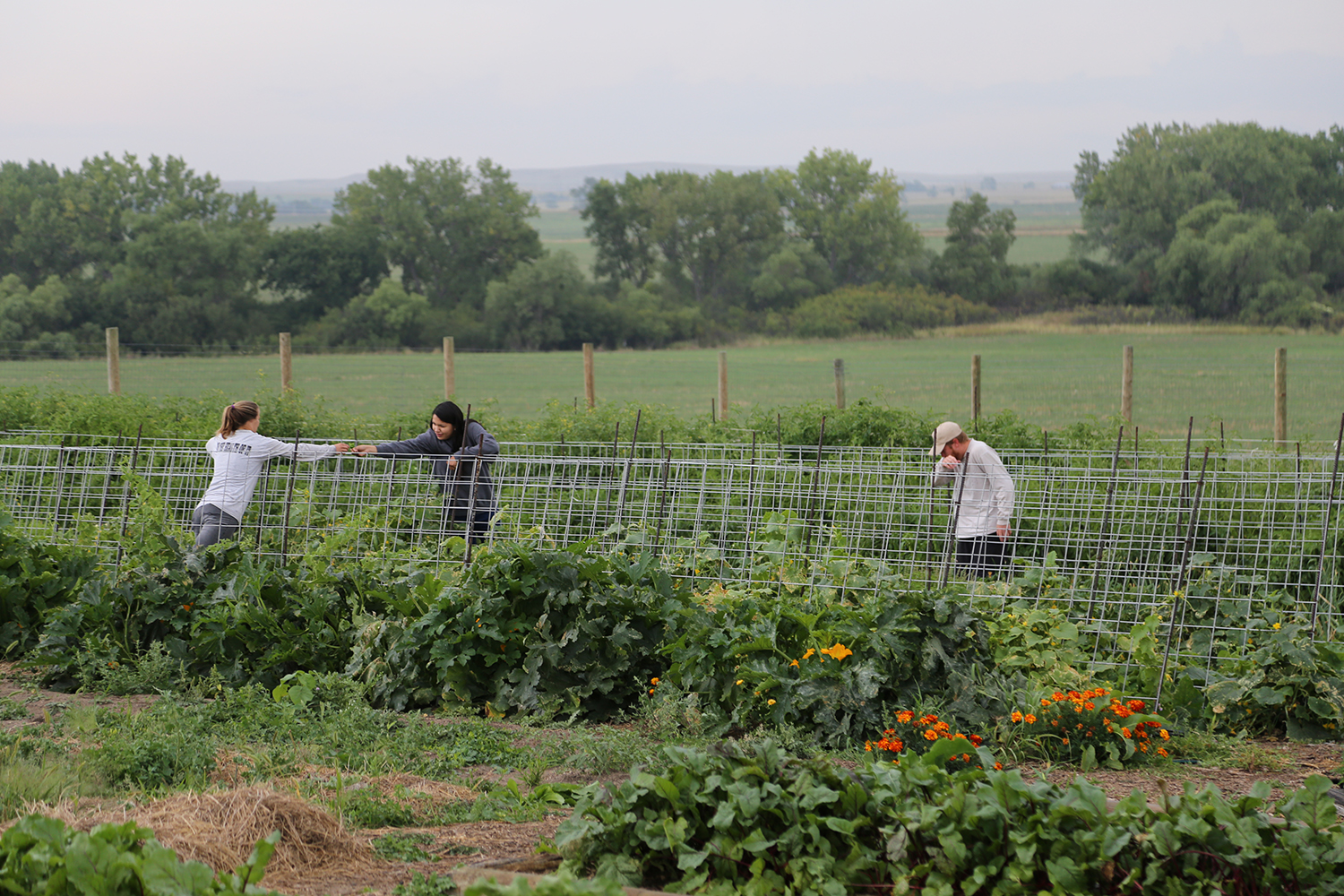
South Dakota Fresh Connect
This is a user-friendly website that helps bridge the gap between local producers and consumers. Farmers, producers, and markets can easily create free accounts to showcase their available products on an interactive map. Meanwhile, consumers, restaurants, retailers, and other institutions such as schools can sign up to notify nearby sources for fresh goods that they are interested in buying and connect directly with producers.
Cover Crop Poster for Small Scale Farmers
This comprehensive poster serves as a resource for planning and implementing cover crops in a small-scale farm or garden. It includes information on species selection, winter survival, and weed suppression. Additionally, the poster features recommended seeding rates, expressed in seeds per square foot, to support precise and effective planting decisions.
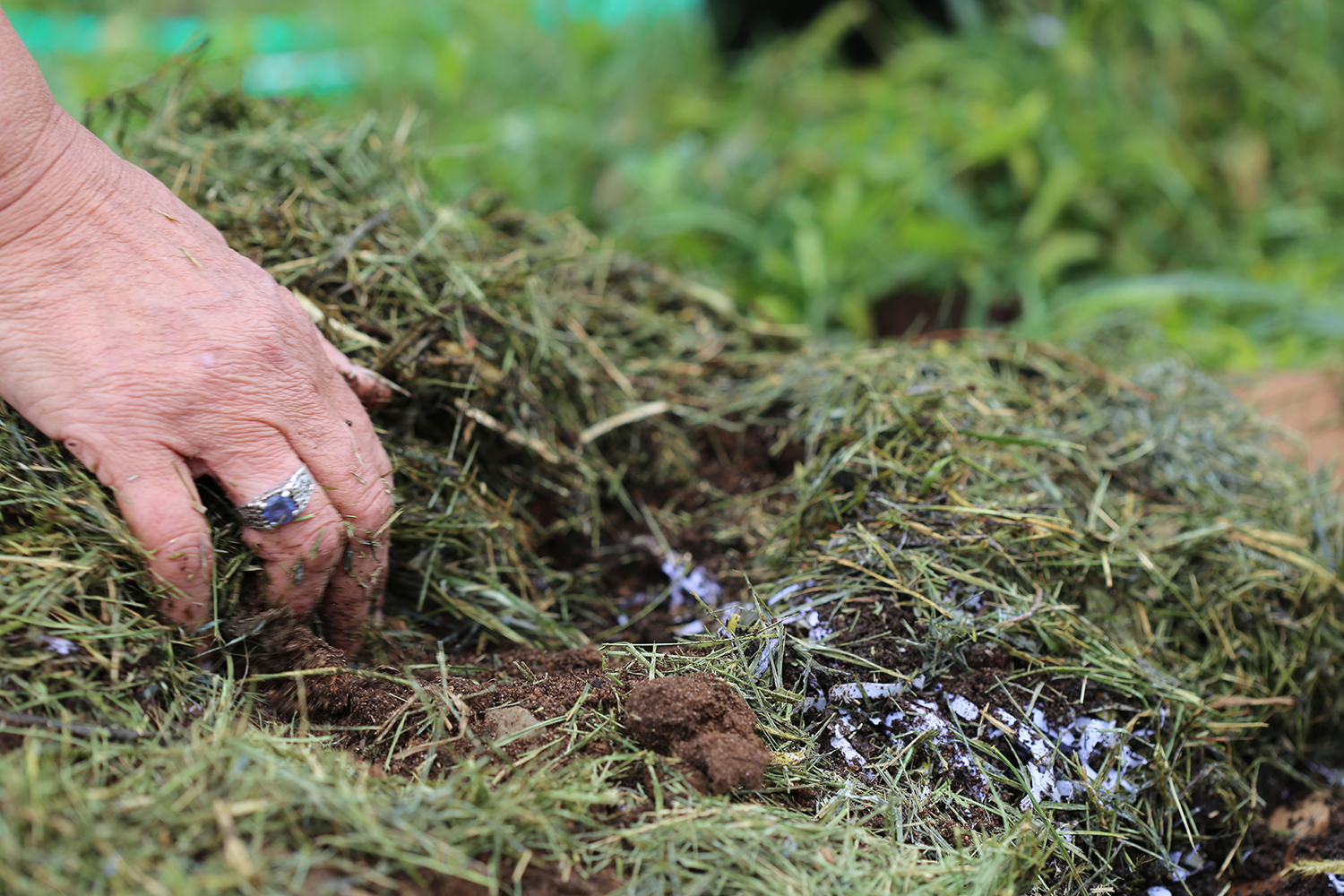
Composting for Soil Health
This brochure provides an introductory overview of composting, offering foundational principles to help individuals begin composting at home. It includes practical guidance and features an example of a simple three-bin composting system constructed from recycled materials.
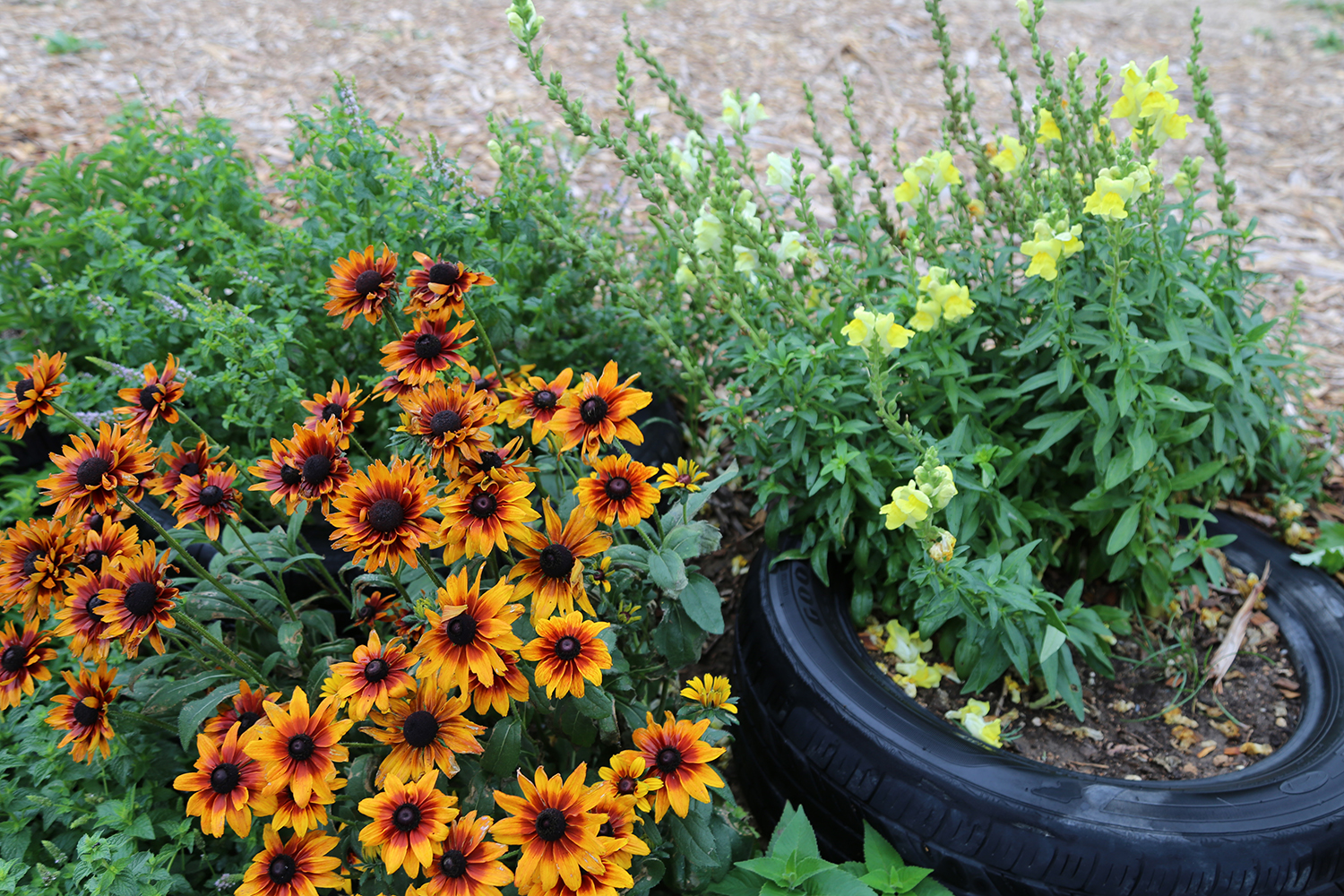
Backyard Pollinator Gardens
This two-page handout is designed for gardeners looking to create pollinator habitat. It explains the essential needs of pollinators and offers guidance on planning a garden that meets those needs. Included is a detailed chart showing average bloom times and flower colors of native forbs, helping gardeners stagger plantings for continuous bloom and optimize visual appeal throughout the growing season.
News & Events

FFA Regional Land Judging Winners Receive Scholarships
SD FFA Foundation Rapid City (October 2026) – The South Dakota FFA Foundation is proud to announce the recipients of five $100 scholarships for students placing first in one of the five South Dakota Regional Land Evaluation Competitions this fall. 2026 scholarship...
Growing sunflowers for soil health and stability
By Stan Wise For an agricultural operation to thrive, producers must sometimes look at the big picture and make decisions to benefit the long-term success of their farm or ranch. Changes made on a farm now might take years to realize their positive effects, but those...
Test grain for nitrates before using it as forage
By Stan Wise With the vast majority of South Dakota in a drought and experiencing high temperatures, grain producers are having to make some tough decisions about their crops. Will those grains produce enough yield to make harvesting them a financially viable option,...